
It’s a common assumption in commercial real estate that a prestigious London address, especially in Mayfair, comes with a prohibitive price tag. For decades, a W1 postcode has been the ultimate status symbol, a shorthand for corporate success that commanded the highest rents in the capital. But in 2026, the market is rewriting its own rules.
Finding the perfect Office Space London is no longer a linear equation of prestige versus price. A direct comparison between an office in historic Mayfair and another in the up-and-coming district of Whitechapel reveals a surprisingly different and more complex story about value in today’s market. What I discovered challenges everything we thought we knew about office rental London.
1. The Price Paradox of Prestige
The most striking fact—the data point that demands attention—is the price. The private office space on Bolton Street in Mayfair is listed at £450 PCM (Per Calendar Month). In stark contrast, the office on Settles Street in Whitechapel is listed at a higher £500 PCM.
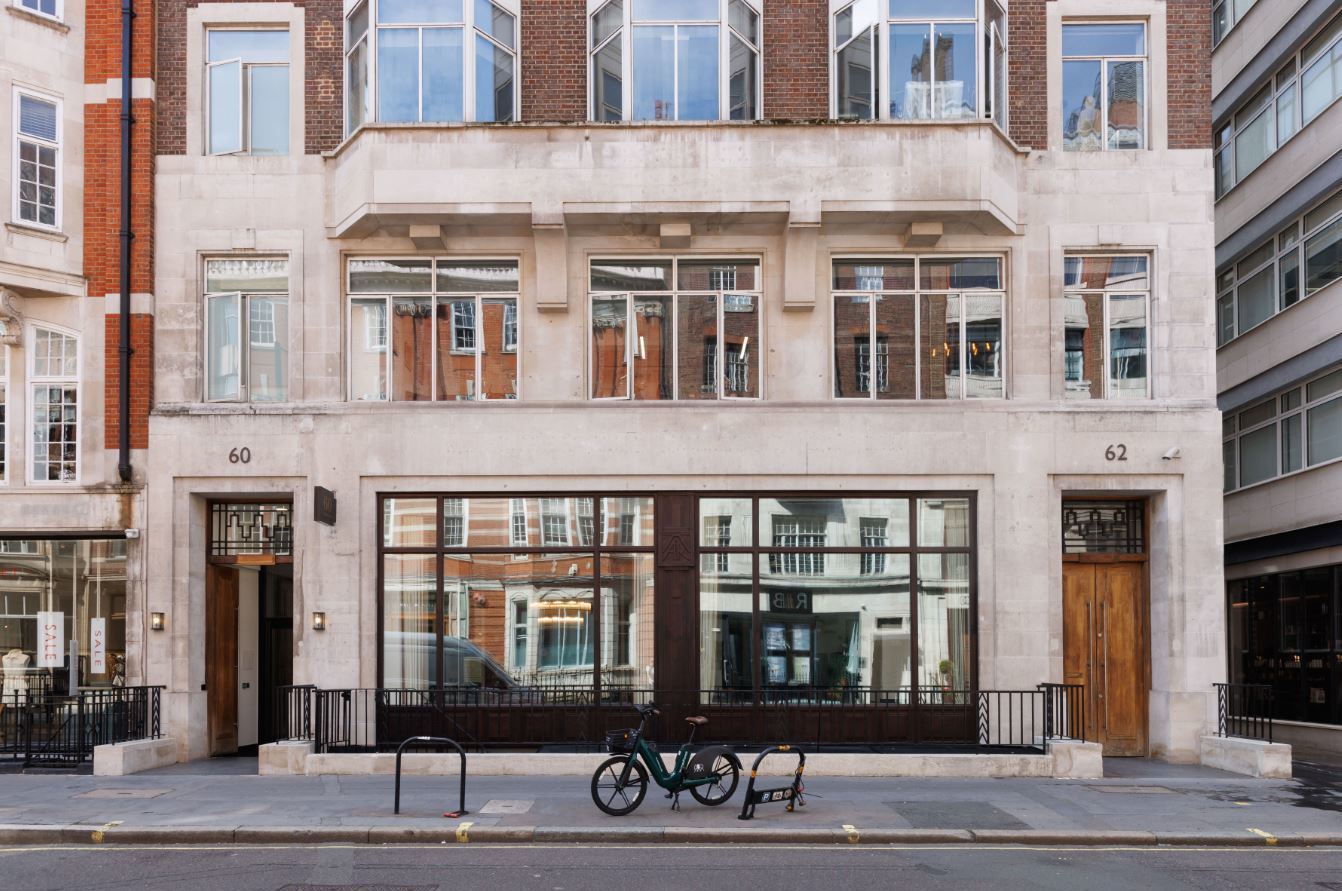
Consider that for a moment. The Mayfair location is a “prestigious address” that was “once the home of Winston Churchill.” It sits in the golden triangle of luxury. In contrast, the Whitechapel office is situated in one of London’s “most exciting and rapidly changing areas,” a district historically associated with the fringes of the City. Yet, the fringe now commands a premium over the core.
Monthly Cost Comparison (Per Desk)
This price inversion signals a critical shift in market dynamics, but the story isn’t as simple as Mayfair becoming cheaper. It’s a tale of two entirely different products. The Mayfair listing offers a prestigious address for £450 PCM, likely tailored for an individual or small team seeking a foothold. In contrast, the Whitechapel listing offers a scalable, team-ready solution, with space for “24 – 36 desk offices” within a 24,326 sq ft development. The premium here is for operational capacity, modern infrastructure, and future growth potential, not just the postcode. When evaluating serviced office costs, capability is now outpricing cachet.
2. The Amenity Divide: Classic vs. Contemporary
Your office perks reveal your company culture. The amenities offered at each location signal the distinct business cultures they are designed to support. A side-by-side comparison highlights a clear divide between a traditional, corporate environment and a modern, dynamic one.
| Feature | Mayfair (Bolton St) | Whitechapel (Settles St) |
|---|---|---|
| Primary Vibe | Classic Heritage | Modern Agility |
| Key Amenity | Reception & Period Features | Bike Racks & Showers |
| Service Level | Essential Services | Turnkey (Cleaning Included) |
| Target Tenant | Client-Facing Professional | High-Growth Tech Team |
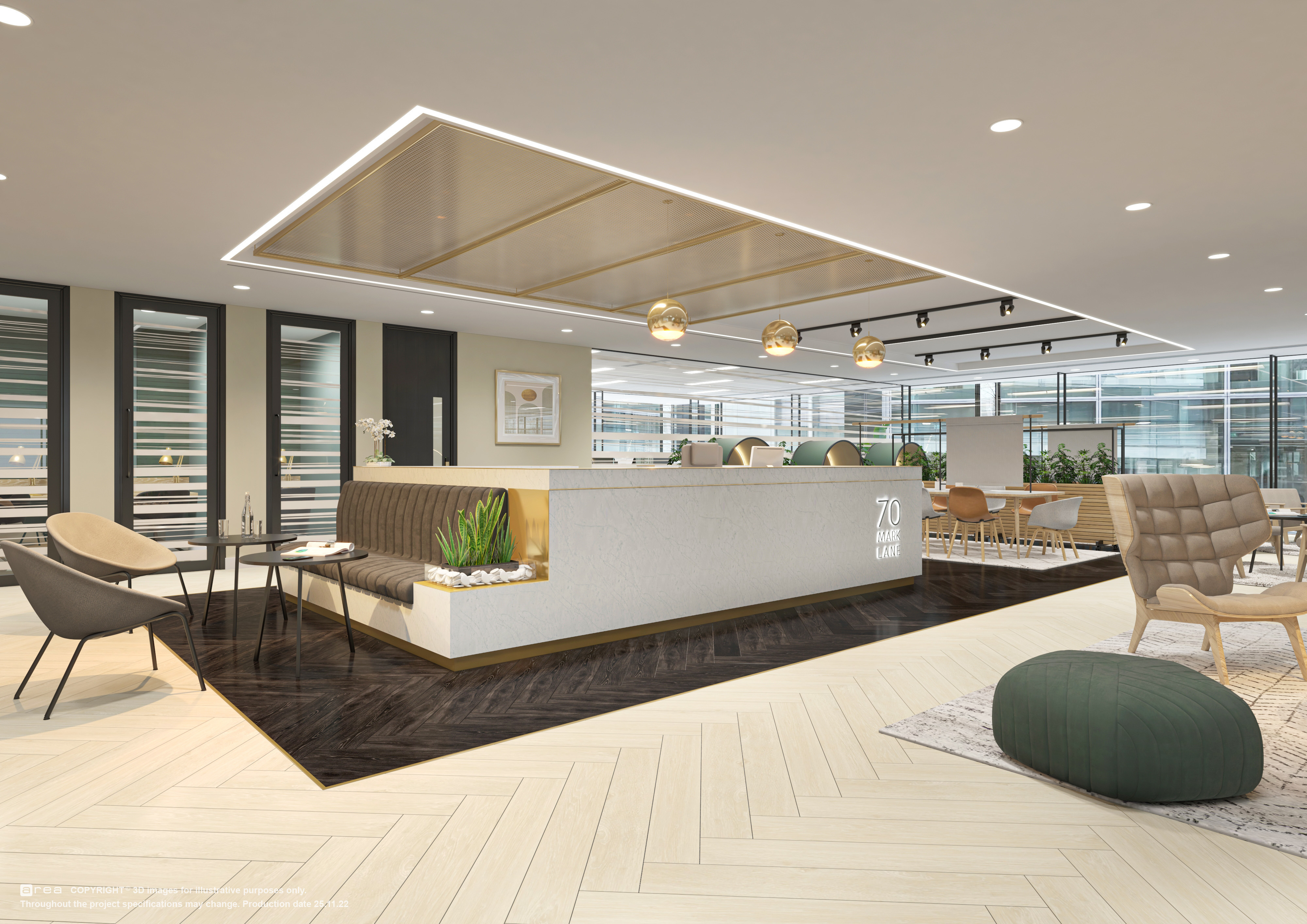
The Mayfair office is equipped for traditional, client-facing businesses that value prestige and formal meeting spaces. It sells stability. The Whitechapel office, by including office furniture and cleaning, provides a turnkey, low-friction solution tailored for fast-moving startups and tech companies. This focus on employee-centric perks like bike racks and break-out areas prioritizes well-being and a collaborative, agile work style. It’s the difference between a serviced office vs traditional lease mindset—one is about possession, the other is about performance.
3. The Two Faces of “Prime”
Interestingly, both property listings describe their locations as “prime,” but they use the term to signify two very different kinds of value. The bifurcation of the term “prime” is a key market indicator for anyone seeking commercial property London.
For the Mayfair office, “prime” is defined by its history (“Period property”), established reputation, and proximity to London landmarks like “Piccadilly Circus, Bond Street, Oxford Circus and Green Park.” For legacy businesses, its value signifies stability and heritage. It is “Prime” because of what it *was*.
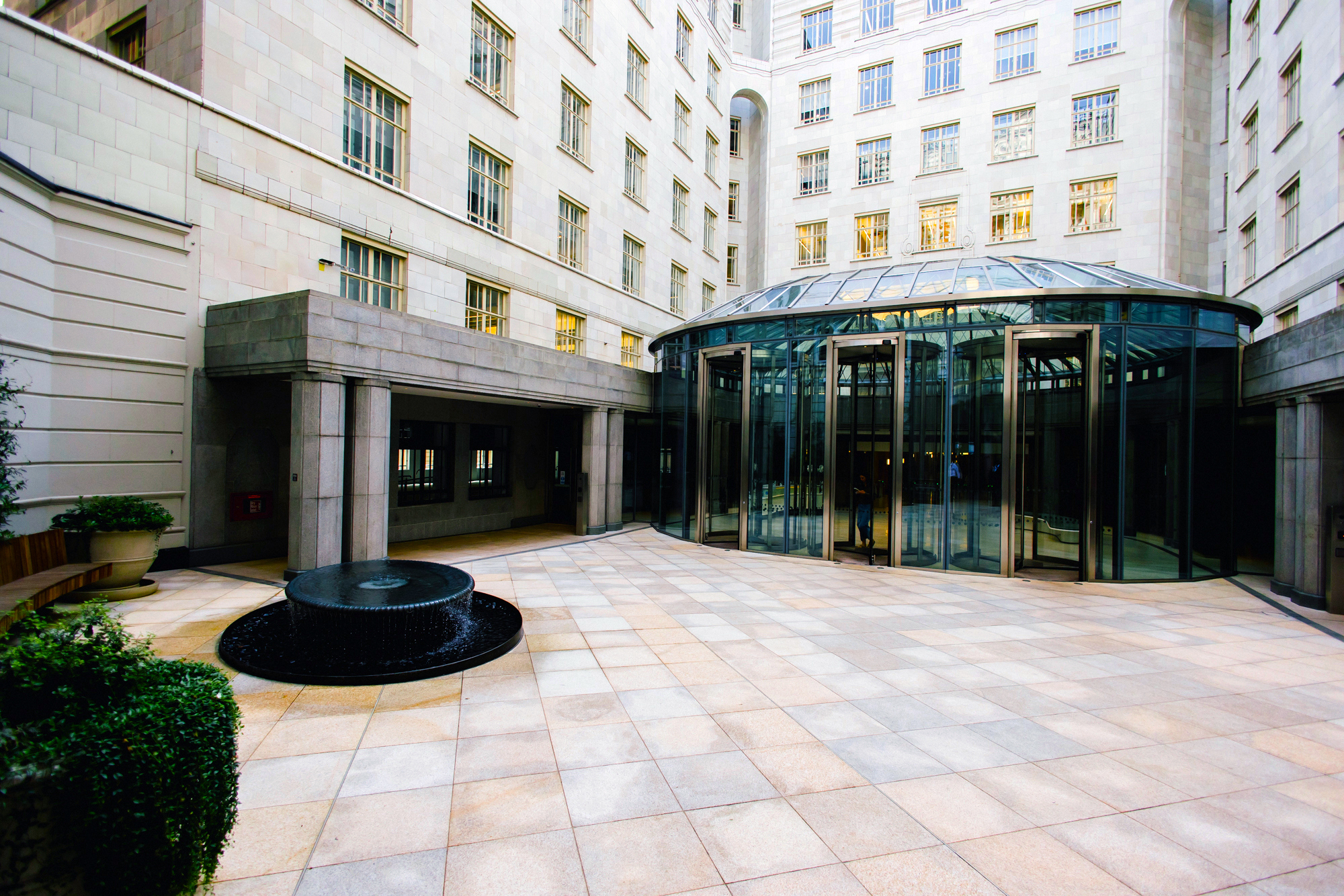
For the Whitechapel office, “prime” is defined by its forward-looking potential in a “rapidly changing” area. The building, a blend of a “Former neo-classical office building” and a “new build extension,” physically symbolizes this fusion. For growth-focused ventures, its value signifies proximity to innovation and talent. It is “Prime” because of what it *will be*.
“The decision reflects whether a business is building on established tradition or investing in future growth. When choosing an office, what story does your address need to tell?”

Conclusion
The choice of an office in London today is about much more than just price and location; it’s a strategic statement about a company’s identity, culture, and its place in the evolving world of work. The decision reflects whether a business is building on established tradition or investing in future growth. When choosing an office, what story does your address need to tell?