
Forget the stereotypical image of endless cubicle farms under fluorescent lights. A quiet revolution is reshaping our workspaces from the inside out, revealing a fundamental shift in what we expect from our professional environments. Finding the perfect Office Space London is no longer just about square footage and a reception desk; it is about buying into a lifestyle that can retain talent and inspire innovation.
As a commercial property journalist observing the capital’s market, I’ve noticed that the metrics for “luxury” are changing rapidly. We are moving away from gold-plated taps and towards high-performance amenities that serve the holistic needs of the modern workforce. By analyzing a pair of high-end serviced office listings in London—one in historic Mayfair and one in the financial heart of the City—we can uncover a fundamental recalibration of what “value” means in the world of work. The results challenge long-held assumptions about serviced office costs and location prestige.
1. The Most Prestigious Postcode Isn’t the Priciest
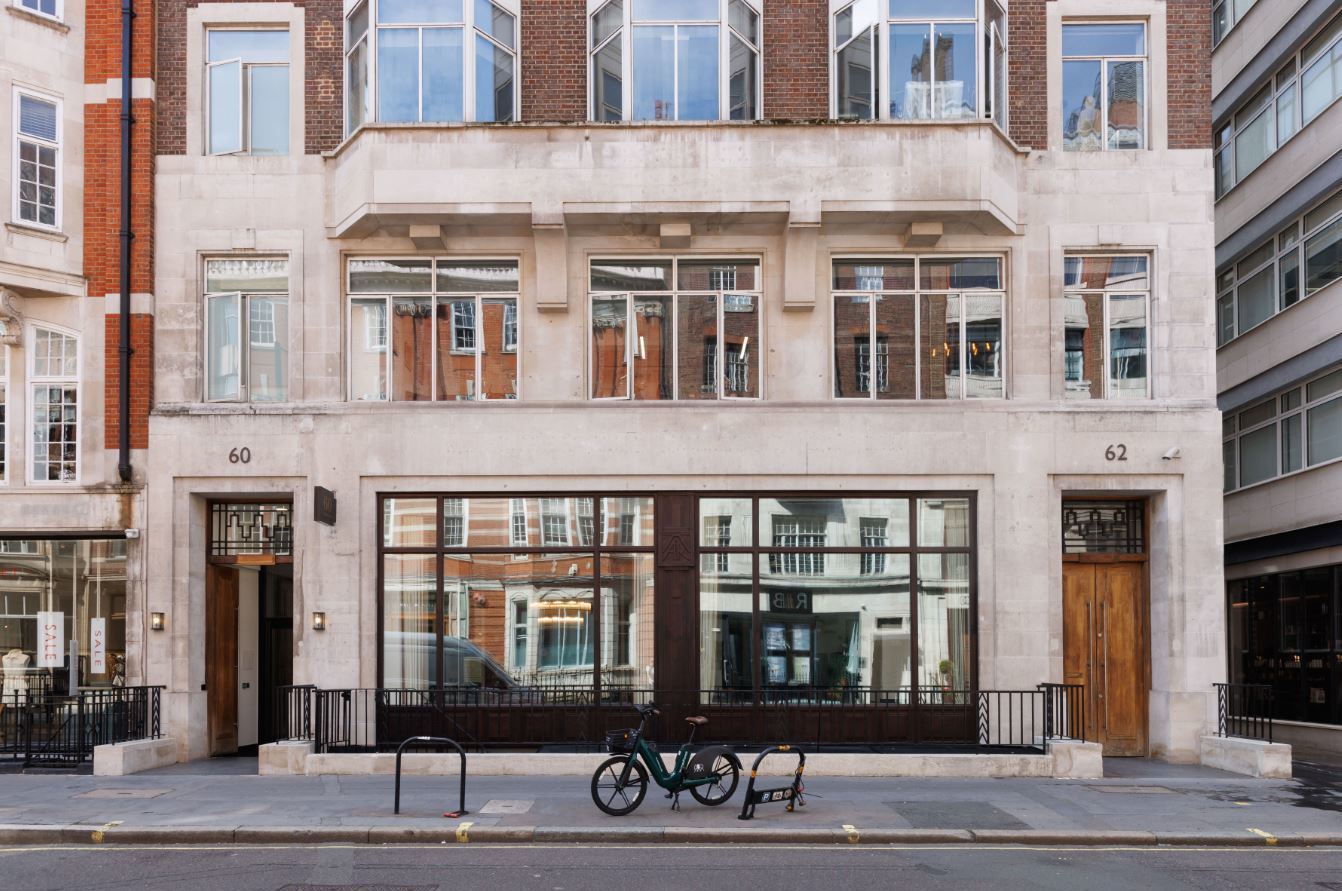
In a surprising turn, analysis of London’s luxury office market reveals that a prime Mayfair address is not necessarily the most expensive option. The serviced office at 111 Park Street in Mayfair is listed at £850 per month. Meanwhile, the property at 1-3 Frederick’s Place in Bank, the heart of the City of London, commands a higher price of £899 per month.
This defies the conventional wisdom that Mayfair’s world-renowned prestige would automatically secure the top price point. It signals that the value equation is being recalibrated. The Bank property’s higher price suggests that a comprehensive, built-in “lifestyle package” is now valued more by the market than a traditionally prestigious address offering more conventional social amenities. In the debate of serviced office vs traditional lease, it is clear that tenants are willing to pay a premium for spaces that deliver tangible, daily value to their employees, rather than just a badge of honour on their letterhead.
Monthly Cost Comparison (Per Desk)
2. Your Desk Now Comes With a Wellness Center
Modern offices are no longer just a place to work; they are curated environments designed to support a holistic lifestyle. While both premium properties offer foundational amenities like bike storage and showers, a closer look reveals a telling divergence in their focus. The Mayfair property emphasizes traditional corporate networking with its roof terrace and club space—amenities designed for high-level socializing and client entertainment.
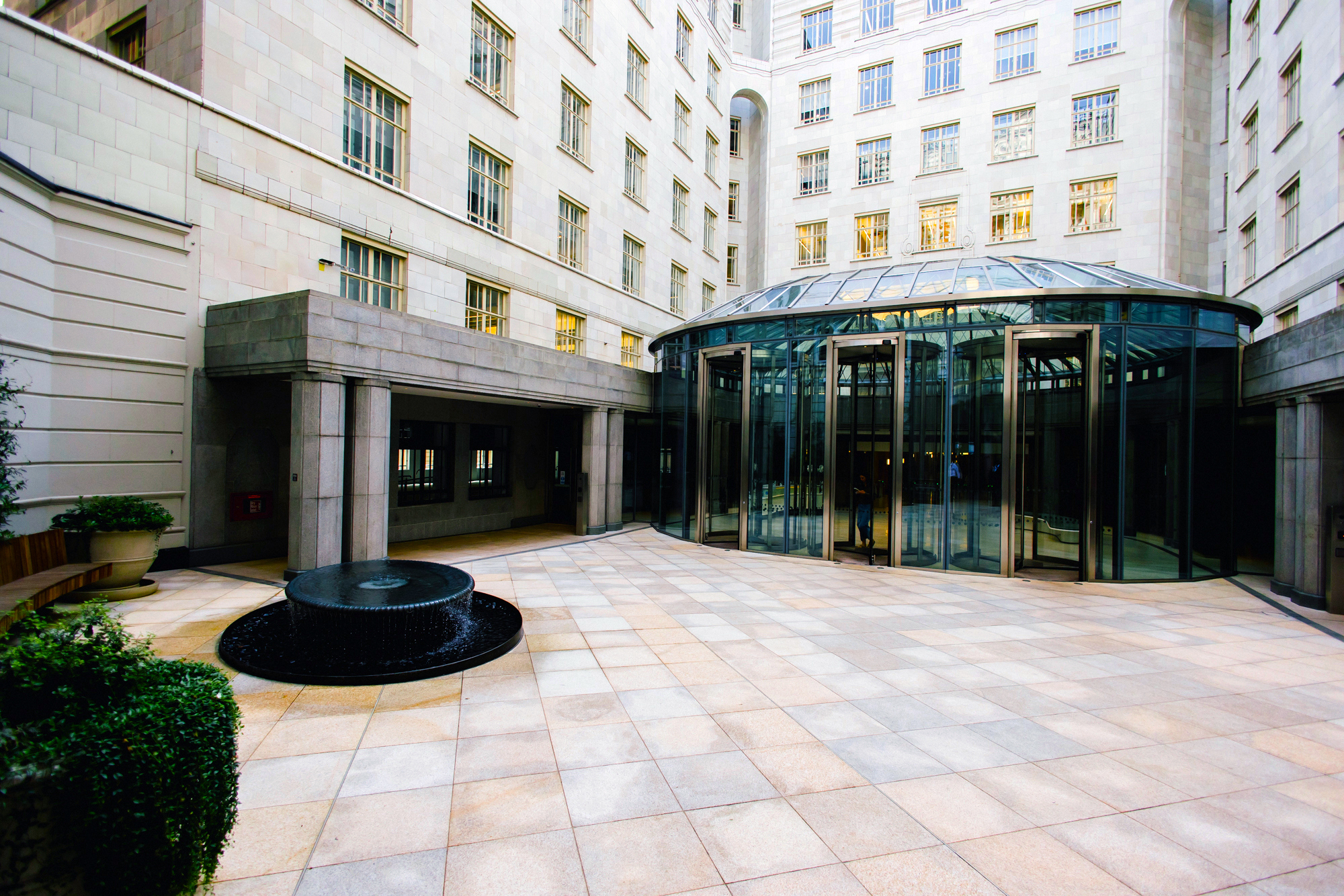
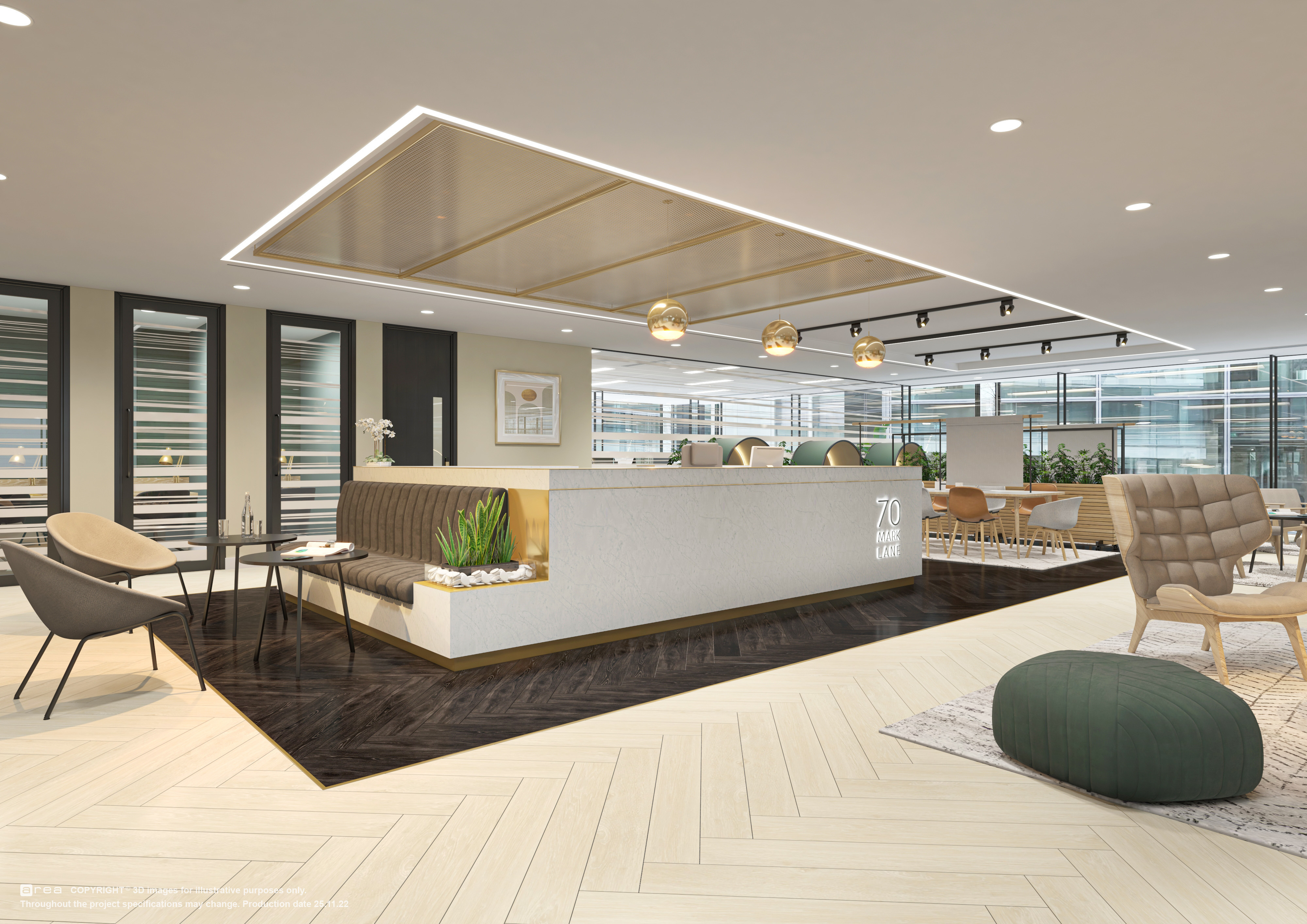
In contrast, the Bank property invests in individual well-being, offering an on-site gym and a dedicated wellness room. This signals a paradigm shift: the market is moving from an emphasis on corporate status to a focus on personal, holistic support for employees. The goal is to create not just an office, but a destination. As the Bank property’s vision makes clear, it is a “…boutique-style flexible workspace that seamlessly blends historic charm with contemporary design.”
This trend is a clear strategic response to the demand for better work-life integration. Companies realize that to make the commute worthwhile, the London workspace must offer conveniences that enhance employee well-being, effectively subsidizing their gym memberships and providing sanctuary in a busy city.
| Feature | Mayfair (Park St) | City (Frederick’s Pl) |
|---|---|---|
| Primary Focus | Corporate Socializing | Individual Wellness |
| Key Amenity | Roof Terrace / Club Space | Gym / Wellness Room |
| Strategy | Client Impression | Employee Retention |
| Price | £850 PCM | £899 PCM |
“The goal is to create not just an office, but a destination. The higher price point in the City reflects the immense value placed on employee health and wellbeing facilities.”
3. Your Next Office Might Have a Recording Studio
Perhaps the most telling feature signaling this evolution is the inclusion of highly specialized, tech-forward amenities. The workspace in Bank offers a podcast room, a facility that highlights a major shift in how companies define productive work. Its presence implies that content creation is no longer a niche hobby but a core business function deserving of professional-grade space.
More importantly, this feature is the ultimate example of the “destination office.” It provides a high-value, specialized resource that is impractical for most employees to have at home, creating a powerful incentive to commute. It is a crucial tool in making the office an integrated part of a modern professional’s life, not just a place they have to be. When considering commercial property London, access to these “creator economy” tools can be a decisive factor for dynamic, forward-thinking brands.

In the landscape of office rental London, we are seeing a move away from generic utility towards specialized capability. The office is becoming a studio, a gym, and a sanctuary, all rolled into one.
Conclusion
The office is no longer a utility; it is a strategic tool in the war for talent, where the currency is experience, not just square footage. The data shows us that businesses are willing to pay for environments that support the whole employee—physically, creatively, and socially. As our work lives continue to evolve, the question isn’t just “where is the office?”, but “what can the office do for us?”
If you are ready to explore workspaces that offer gyms, studios, and a new way of working, the London market has never been more exciting. The future of work is here, and it looks a lot like a lifestyle club.
LINKS to the TWO London Offices: