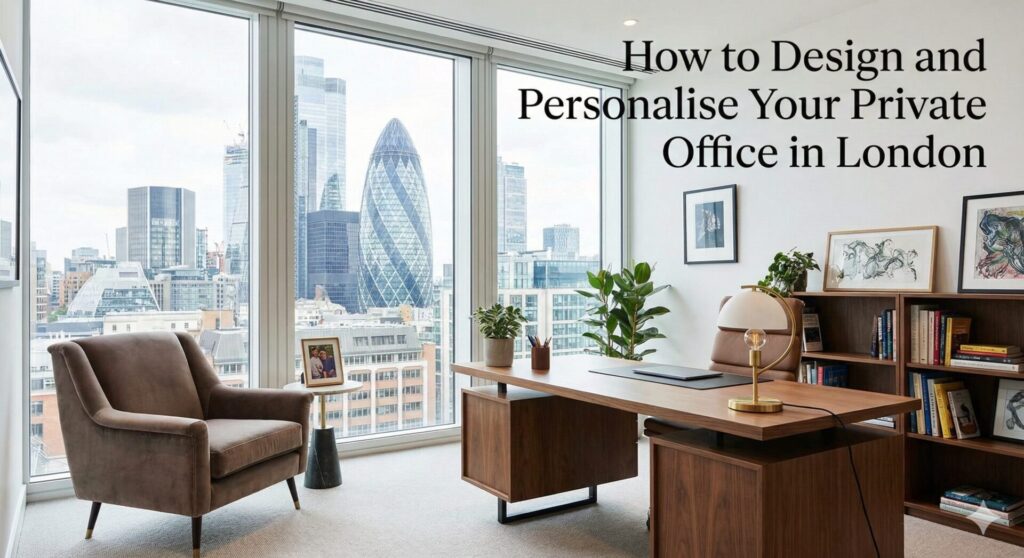
How to Design and Personalise Your Private Office in London
I. Introduction: Your Office as a Brand Identity
I still remember walking into the London headquarters of a major creative agency in Clerkenwell. The reception wasn’t just a desk; it was a coffee bar. The walls weren’t beige; they were alive with local art. Before I had even shaken hands with the CEO, I knew exactly who they were and what they valued. This is the power of design.
Finding the perfect Office in London is just the start of the journey. In a city where commercial property is fiercely competitive, the way you curate your space speaks volumes. It isn’t just about aesthetics; it’s about psychology. How does your office make your team feel on a rainy Tuesday in November? Does it inspire confidence in a high-stakes investor meeting? Your physical environment is a tangible manifestation of your brand identity.
Whether you have secured a sleek serviced suite in the City or a characterful floor in Shoreditch, personalising your space is the key to retention and productivity. In this guide, I will walk you through the four phases of transforming a generic rental into a powerhouse of culture, tailored specifically for the London market.
Find a Canvas for Your Brand
Looking for a space you can make your own? Browse our selection of customizable private offices across the capital.
Search Customizable OfficesII. Phase 1: Planning for Functionality & Flow
Before we pick paint colours, we must address the “London constraint”: space. Real estate here is at a premium, so every square foot must work hard. The most successful layouts I’ve seen don’t treat the office as a factory floor of desks; they treat it as a landscape of different zones.
Defining Work Zones
You need to create distinct areas for different “modes” of work:
- Focus Zones: In open-plan London offices, noise is the enemy. Dedicated quiet areas or acoustic pods are essential for deep work.
- Collaboration Zones: Use modular furniture to create flexible spaces for team huddles. These shouldn’t be booked; they should be available for spontaneous innovation.
- Social Zones: The “watercooler” effect is real. A high-quality breakout area or kitchenette is often the cultural heart of the office.
- Focus Zones (40%)
- Collaboration Zones (30%)
- Social / Breakout (20%)
- Meeting Rooms (10%)
Ergonomics First: Never sacrifice health for style. Investing in BIFMA-rated chairs, sit-stand desks, and monitor arms is non-negotiable. In the high-pressure London environment, physical comfort directly correlates with mental endurance.
III. Phase 2: Visual Identity & Branding
This is where your London workspace comes alive. But a word of warning: restraint is key. You want your office to feel branded, not like a merchandise store.
Bringing the Brand to Life
Use your brand palette subtly. Instead of painting every wall in your corporate bright orange, use it for accent cushions, a feature wall, or the colour of the task chairs. Custom vinyl graphics on glass partitions are a fantastic, removable way to add privacy and branding simultaneously. A 3D logo in the reception is a classic move for a reason—it builds trust the moment a client walks in.
Reflecting the Neighborhood
The best designs acknowledge their context. If you are in Shoreditch, lean into the industrial heritage with metalwork and exposed services. If you are in Mayfair, classic wainscoting or rich textures might be more appropriate. Incorporating this “London DNA” makes your office feel established and authentic, rather than a generic pod dropped from space.
IV. Phase 3: Biophilia & The “Resimercial” Trend
Post-pandemic, the line between home and work has blurred. This has given rise to the “Resimercial” trend—blending residential comfort with commercial durability. It’s about making the office a place people *want* to be.
Biophilic Design
London can be grey. Counteract this with green. Integrating air-purifying plants like Snake plants, Monsteras, or Pothos isn’t just decoration; it improves air quality and cognitive function. If your office lacks natural light—a common issue in historic London buildings—invest in “daylight” LED panels to maintain energy levels.
The Comfort Factor
Swap the cold boardroom table for a warm timber finish. Use soft seating (sofas, armchairs) in meeting rooms to encourage more open conversation. Textured rugs and heavy window dressings not only add warmth but also dampen acoustics, making the office quieter and calmer.
Impact of Office Environment on Employee Wellbeing
*Based on UK workplace surveys 2024-2025.
V. Phase 4: Invisible Infrastructure & Tech Integration
Nothing ruins a beautiful design faster than a nest of wires. “Cable chaos” is the enemy of the clean aesthetic. Invest in hidden under-desk trays and integrated power modules. In a hybrid world, your tech must be seamless. High-spec AV equipment for Zoom/Teams integration is now standard requirement; ceiling mics and wide-angle cameras ensure remote colleagues feel present in the room.
Acoustics are often overlooked until it’s too late. Hard surfaces reflect sound. Use acoustic felt panels, ceiling baffles, or even moss walls to absorb noise. In a busy London building, acoustic privacy is the ultimate luxury.
VI. Customization: Serviced vs. Managed vs. Leased
How much you can change depends on your contract. Here is a quick guide to what is typically allowed.
| Office Type | Customization Level | Common Modifications Allowed |
|---|---|---|
| Serviced Office | Low to Medium | Furniture swaps, vinyl branding on glass, hanging art, sometimes painting accent walls. |
| Managed Office | High | Bespoke layout, custom flooring, dedicated reception, installing private IT infrastructure. |
| Traditional Lease | Total | Structural changes, full fit-out, external signage, plumbing/HVAC reconfiguration. |
VII. Checklist: 5 Quick Wins for Immediate Impact
You don’t need a huge budget to make a difference. Here are 5 things you can do this week.
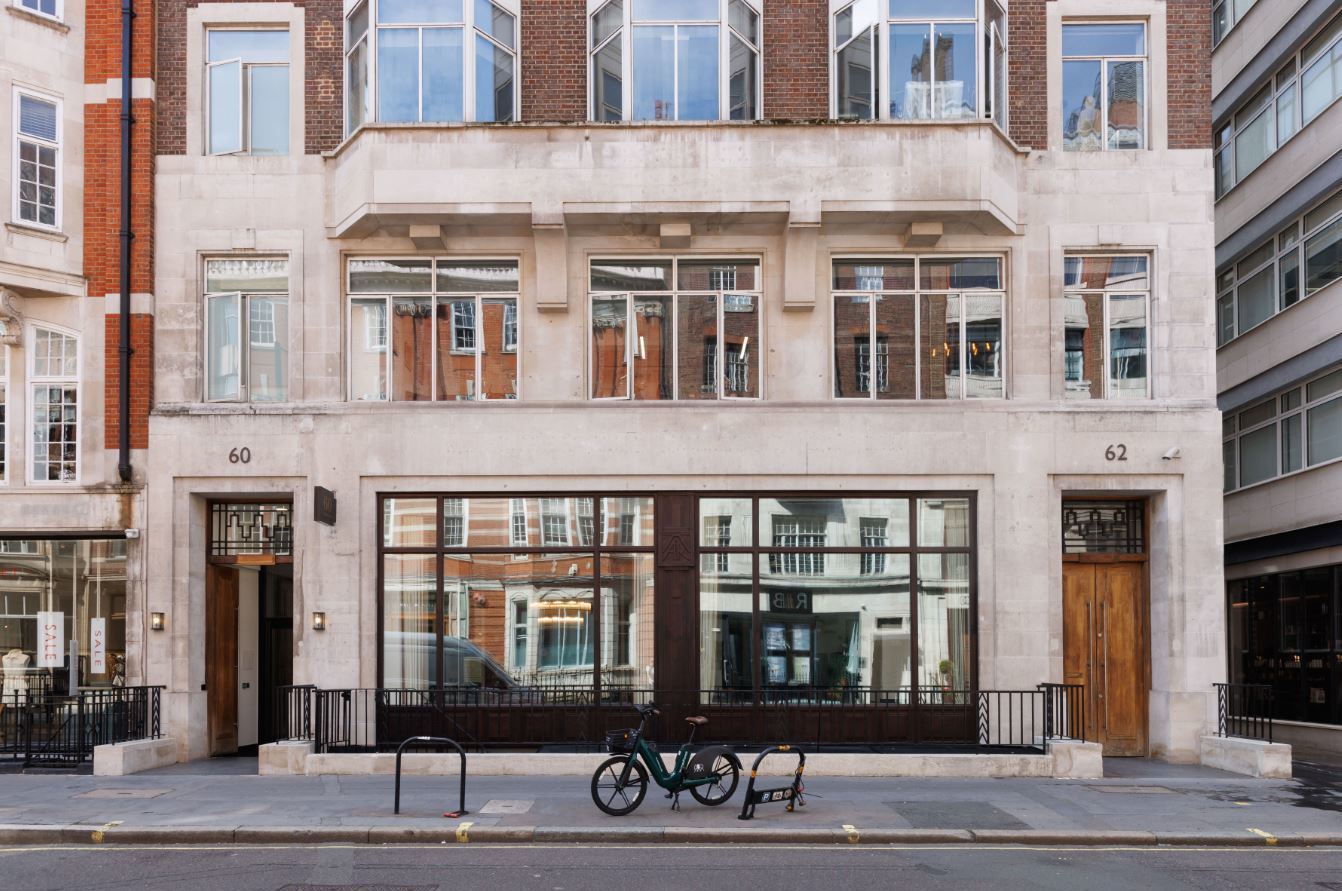
Visualising the Potential
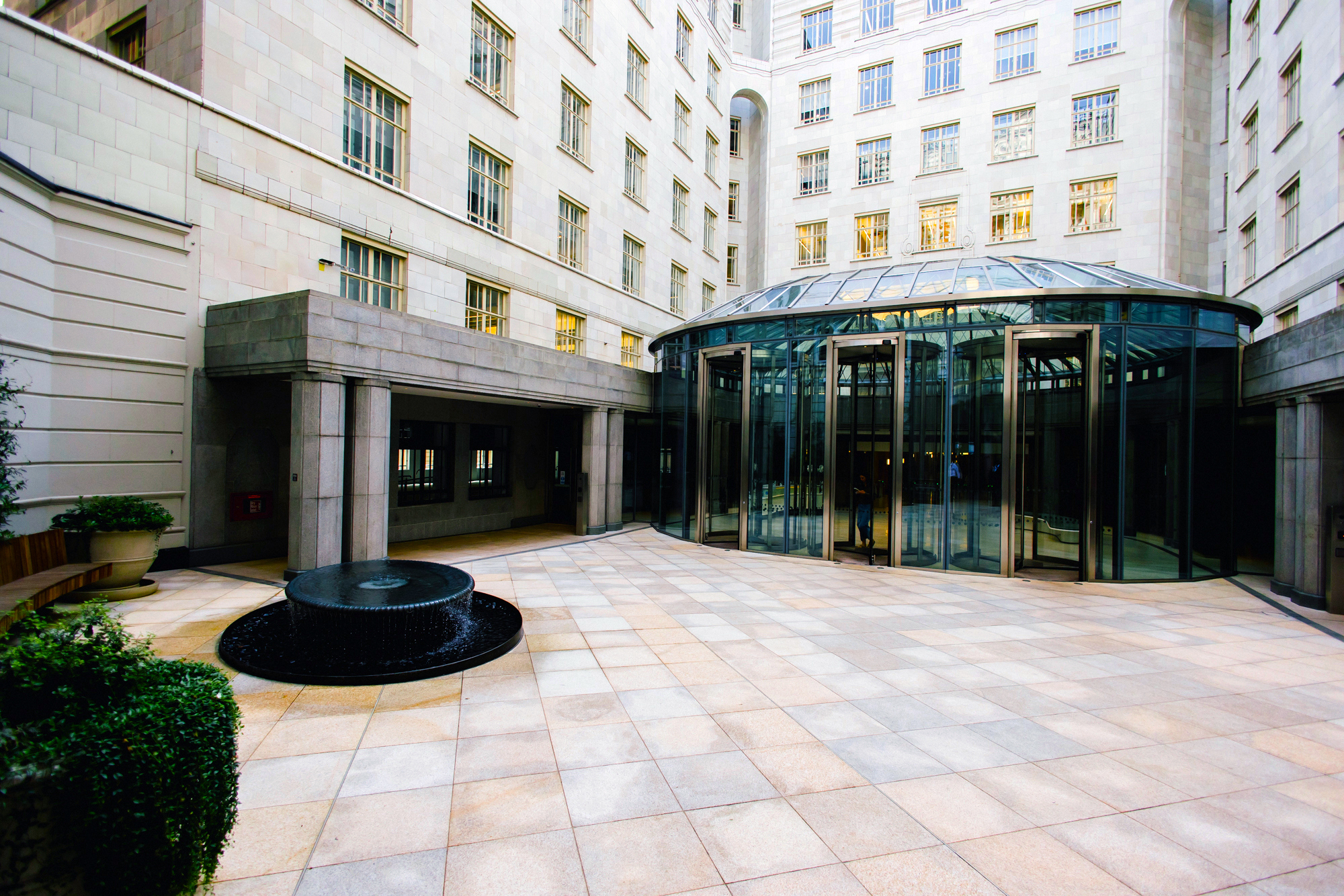
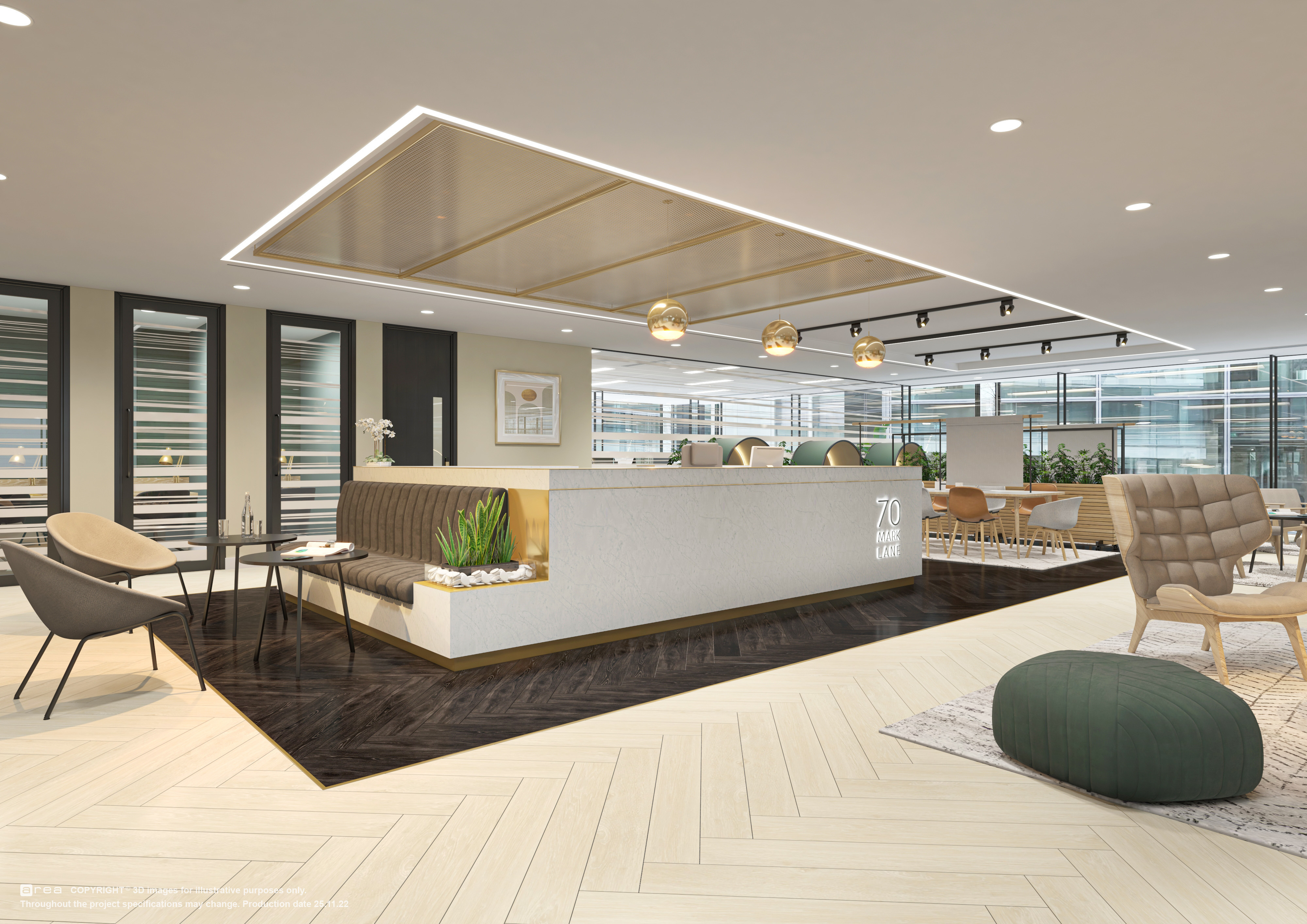
To inspire your redesign, here are three offices in London that have perfectly balanced design with functionality.
VIII. Conclusion: An Evolving Workspace
Design is never “finished.” Your office should evolve as your team grows and as hybrid working patterns shift. The goal isn’t just to make it look good for a photo; it’s to create an environment that supports your people. By prioritizing comfort, functionality, and brand identity, you turn your Office in London into a true competitive advantage.
Find a Space You Can Mould
Ready to build your dream office? Let our experts find you the perfect shell or managed solution.
Start Your Design Journey