
How a Serviced Office in the City of London Can Boost Your Bottom Line
I was recently sitting across from a CFO in a coffee shop near Bank station. He looked exhausted. He had just spent six months negotiating a lease for a new floor in a skyscraper nearby, dealing with lawyers, fit-out contractors, and a landlord who wanted a ten-year commitment. “The irony,” he told me, “is that we might outgrow the space in two years, but I’m paying for it like we’ll be there forever.” This conversation highlights a critical shift in the City’s mentality.
In the high-stakes world of finance and law, real estate has traditionally been viewed as a heavy, fixed liability. But what if it could be an asset? In this article, I am exploring how a serviced office in the City of London can boost your bottom line. We are moving beyond the simple convenience of having someone else brew the coffee; we are talking about a strategic financial decision that reduces overall occupancy cost, eliminates CapEx, and mitigates risk. For the modern business leader, the serviced model is not just a workspace; it is a competitive advantage.
I. The Financial Advantage of Flexibility
The core thesis here is simple: agility equals profitability. A serviced office model in the City of London transforms your real estate from a rigid anchor into a flexible sail. It allows you to navigate market volatility without the drag of a 15-year lease.
When you look at the key bottom-line boosters, the advantages are clear: the total elimination of CapEx and hidden costs, immediate scalability that allows you to pay only for the desks you use, and an environment designed to enhance employee productivity. It is a shift from paying for potential to paying for performance.
II. The Direct Cost Savings: CapEx vs. OpEx
For any Finance Director, the most compelling argument for how a serviced office in the City of London can boost your bottom line is the shift from Capital Expenditure (CapEx) to Operational Expenditure (OpEx).
Eliminating Upfront Capital Expenditure
With a traditional lease, you are essentially renting a concrete shell. The cost to make it habitable—design, construction, IT infrastructure, furniture—can run into the hundreds of thousands. With a serviced office, that cost is zero. You move into a plug-and-play operation. You also save significantly on legal fees and the dreaded “dilapidations” bill—the cost of returning an office to its original state when you leave.
Upfront Cash Outlay (25 Person Team)
*Estimated fit-out costs for Grade A City space.
Converting Variable Costs into Predictable OpEx
The “All-Inclusive” price is a powerful budgeting tool. Your monthly invoice covers rent, rates, service charges, utilities, cleaning, and security. There are no surprise bills for a broken HVAC unit or a spike in energy prices. You transfer that risk entirely to the provider.
Stop Bleeding Cash on Fit-Outs
Keep your capital for growth, not furniture. Explore premium, fully-furnished offices ready for you today.
View Turnkey OfficesIII. Financial Control Through Flexibility
In a volatile market, the ability to “Right-Size” is crucial. If you win a major contract and need 10 more desks tomorrow, a serviced office accommodates you instantly. If a project ends and you need to downsize, you aren’t paying for empty space for the next five years. This agility minimizes vacancy loss and ensures every pound spent on rent is supporting an active employee.
IV. The Revenue & Productivity Uplift
It isn’t just about saving money; it’s about making it. The power of a prime City address (EC2, EC3) creates an immediate “Halo Effect” for your brand. It tells clients you are established, credible, and serious. Furthermore, locating your business in a well-connected hub like Liverpool Street or Bank creates a talent magnet, helping you attract the top-tier professionals who drive revenue.
V. Case Study: The Bottom Line Reality
Let’s look at the numbers. We compared the costs for a 25-person high-growth FinTech firm moving into the City over a 3-year period.
| Cost Category | Traditional Lease (3 Years) | Serviced Office (3 Years) | Verdict |
|---|---|---|---|
| Initial CapEx (Fit-out, Legal, Agent) | £125,000 | £0 | Massive Cash Preservation |
| Annual Rent & Rates | £225,000 | £240,000 (All-inclusive) | OpEx vs Rent |
| Running Costs (Utilities, Cleaning, Maintenance) | £45,000 | £0 (Included) | Hidden Savings |
| Dilapidations (Exit Cost) | £30,000 | £0 | End of Term Saving |
| Total 3-Year Cost | £935,000 + Risk | £720,000 Fixed | ~23% Saving |
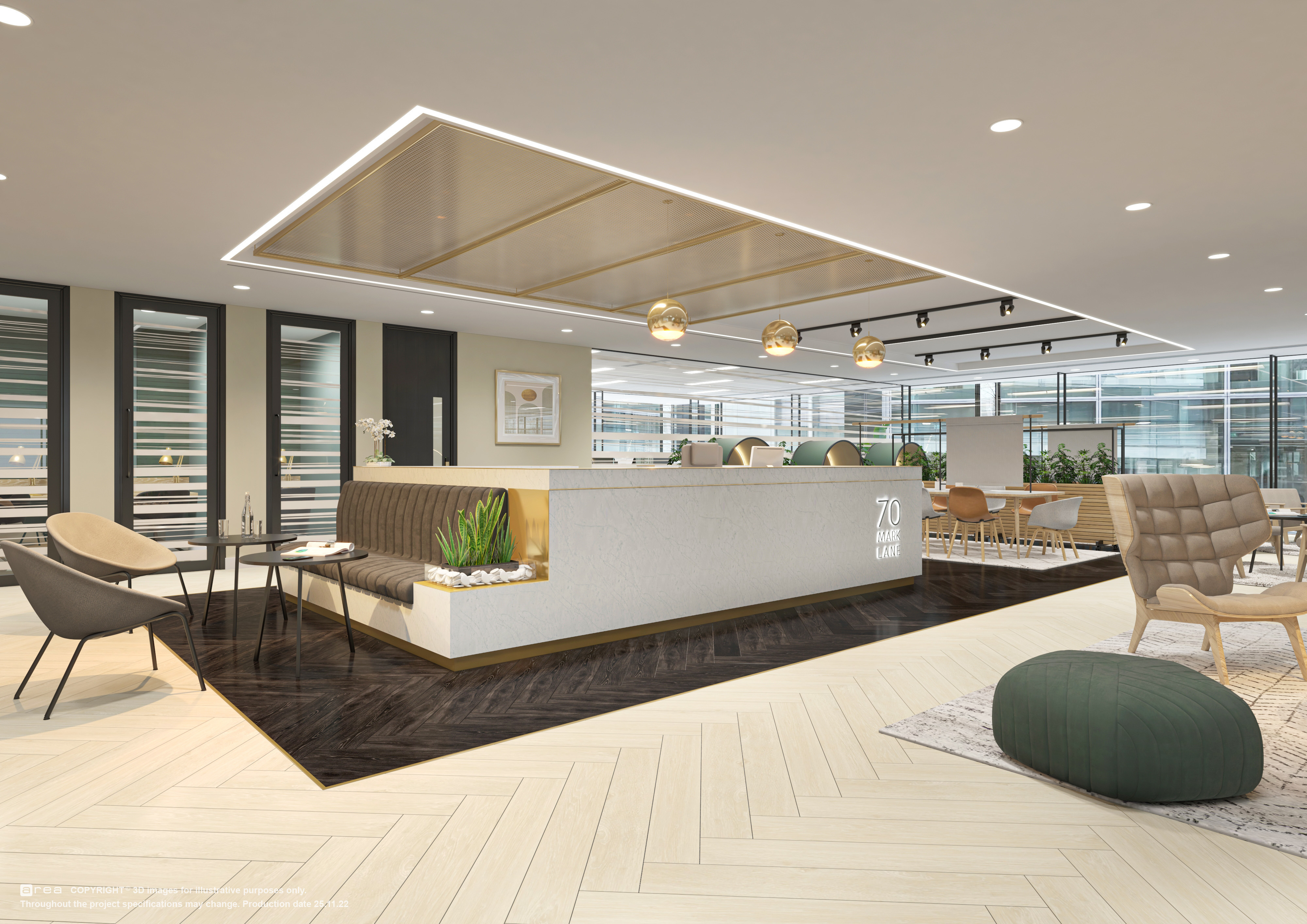
VI. Visualizing the Value
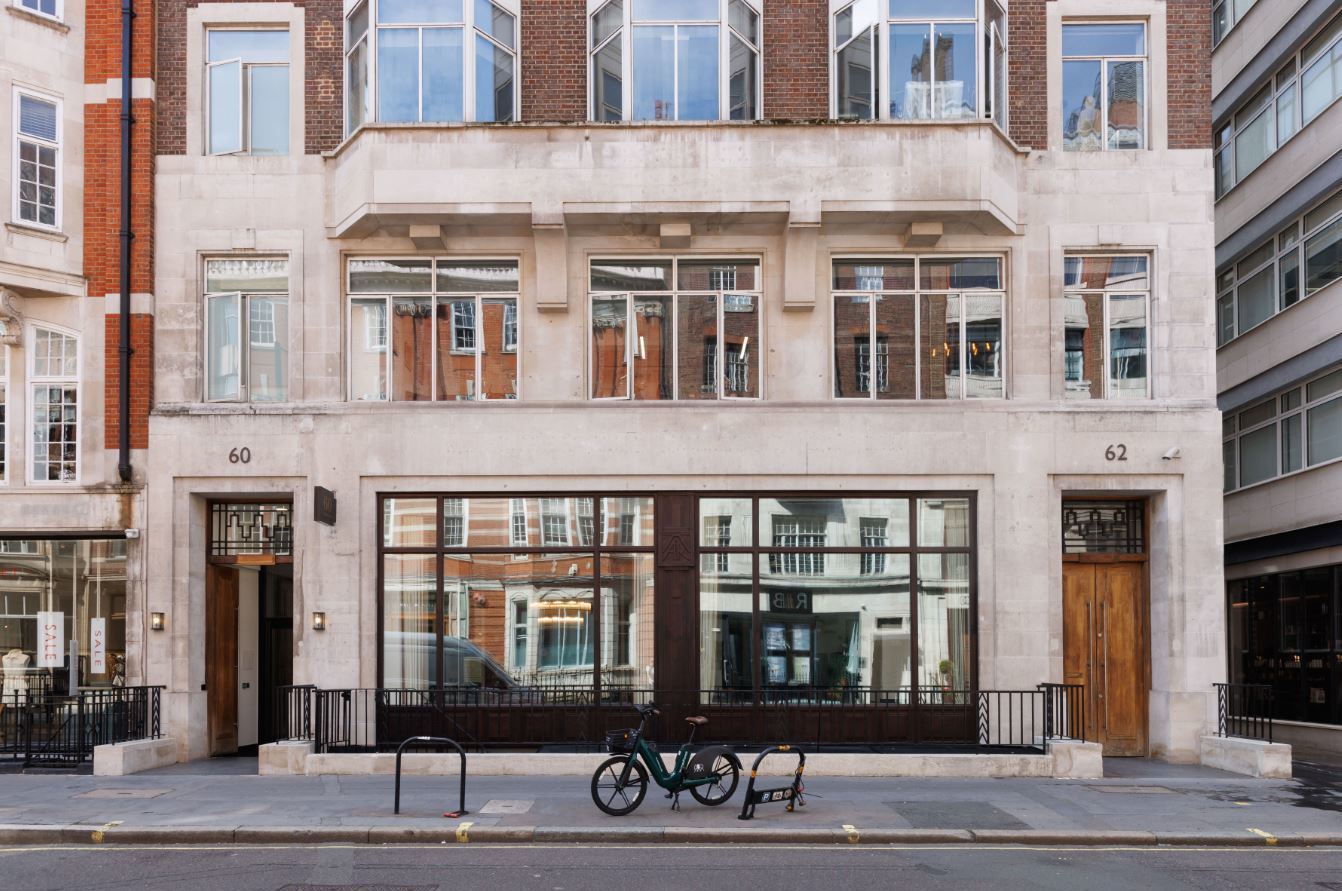
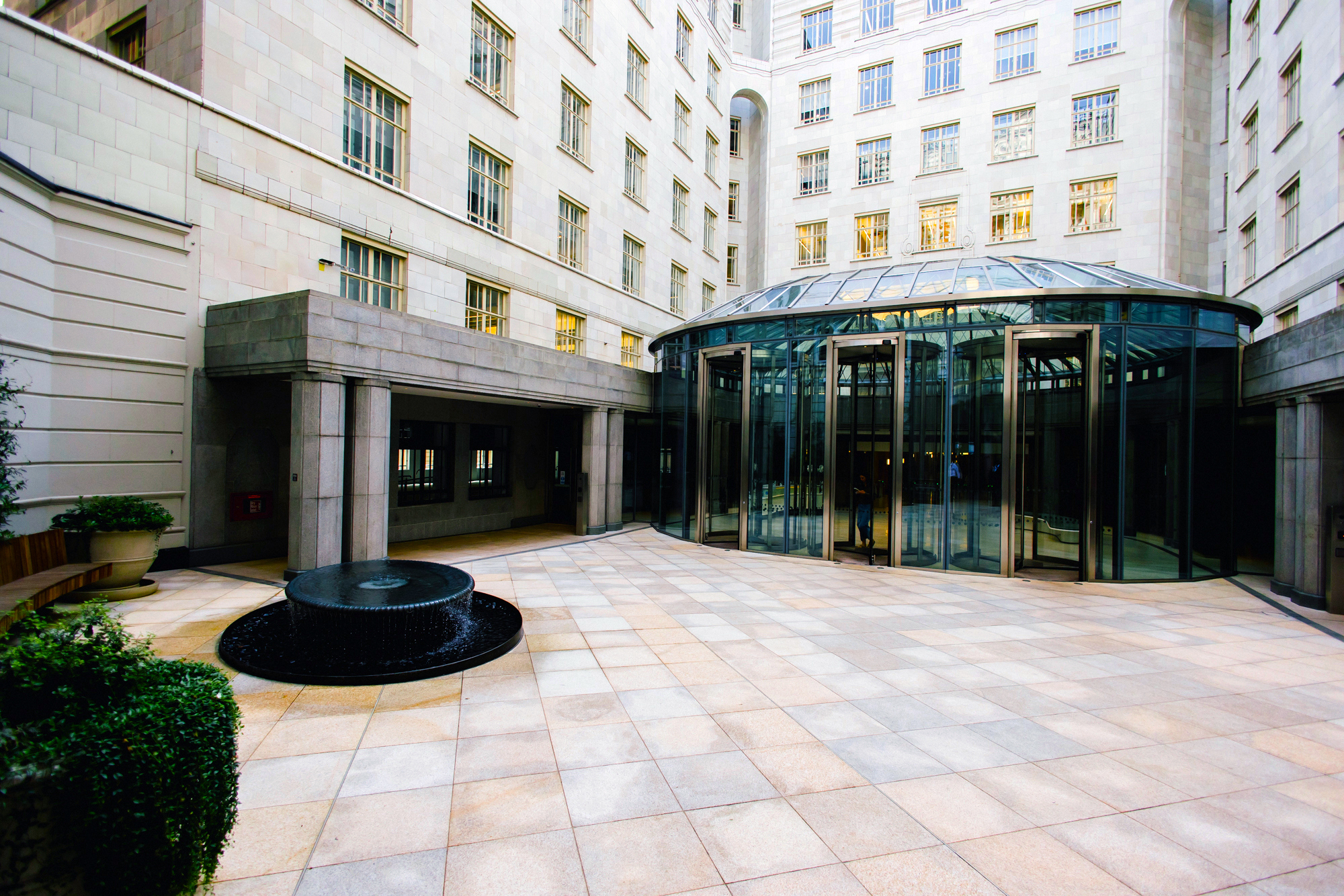
Cost savings don’t mean quality compromise. Look at the caliber of space your “All-Inclusive” fee buys you in the City.
VII. Conclusion: The Strategic CFO’s Choice
In 2025, committing capital to concrete is rarely the smartest play. Understanding how a serviced office in the City of London can boost your bottom line is about recognizing that cost certainty, flexibility, and the ability to focus entirely on your core business functions are the drivers of modern profitability. By shifting your real estate strategy, you aren’t just renting an office; you are optimizing your entire financial structure.
Calculate Your Savings Now
Don’t guess. Let our experts run a cost-benefit analysis for your specific requirements.
Get A Financial Comparison