
The search for “Office Space London” often conjures images of a daunting process: long, rigid leases, eye-watering costs, and a one-size-fits-all approach to workspace. But in a post-pandemic world, what does a modern business truly need from its physical headquarters?
Is it simply a desk and a postcode, or has the office evolved into something more fundamental to company culture, collaboration, and employee well-being? As a commercial property journalist, I can tell you that the traditional model is being rapidly redefined. In its place, a revolutionary model of flexible and serviced offices has taken hold, fundamentally re-engineering the relationship between a business and its workspace. This shift has democratised access to prime locations and world-class amenities for businesses of all sizes.
To understand this new landscape, we analysed real-world examples of prime London office spaces currently on the market. The results were revealing. This article explores the eight most surprising and impactful truths we discovered—truths that are fundamentally changing how businesses think about their London home, from serviced office costs to the vital role of community.
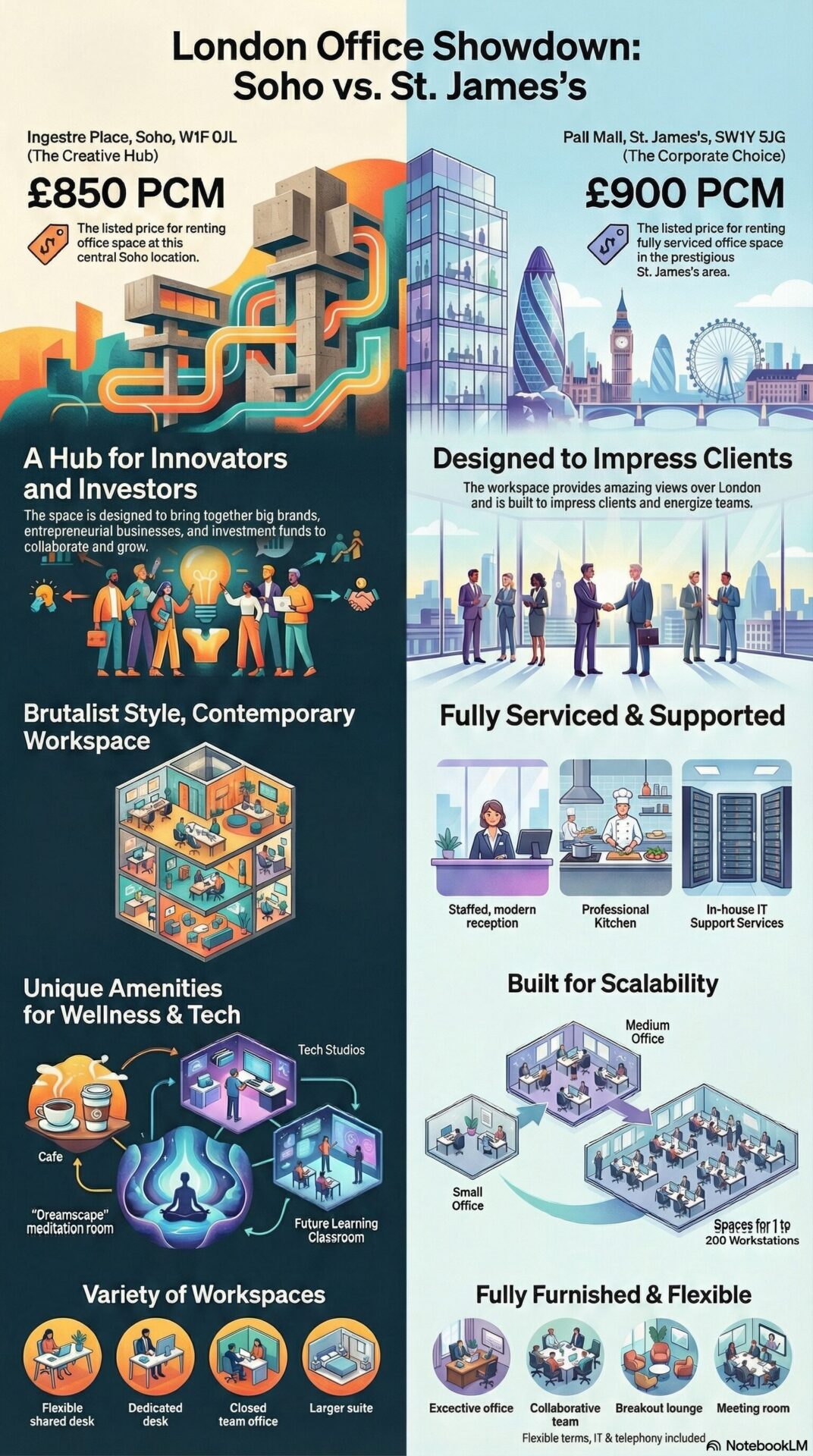
1. Vibe is Everything: It’s Not Just an Office, It’s a Neighbourhood
The single most significant shift in choosing an office is the new emphasis on the surrounding area’s “vibe.” The neighbourhood is no longer just a backdrop; it’s an active ingredient in shaping company culture. A look at two different prime locations reveals this in sharp focus.
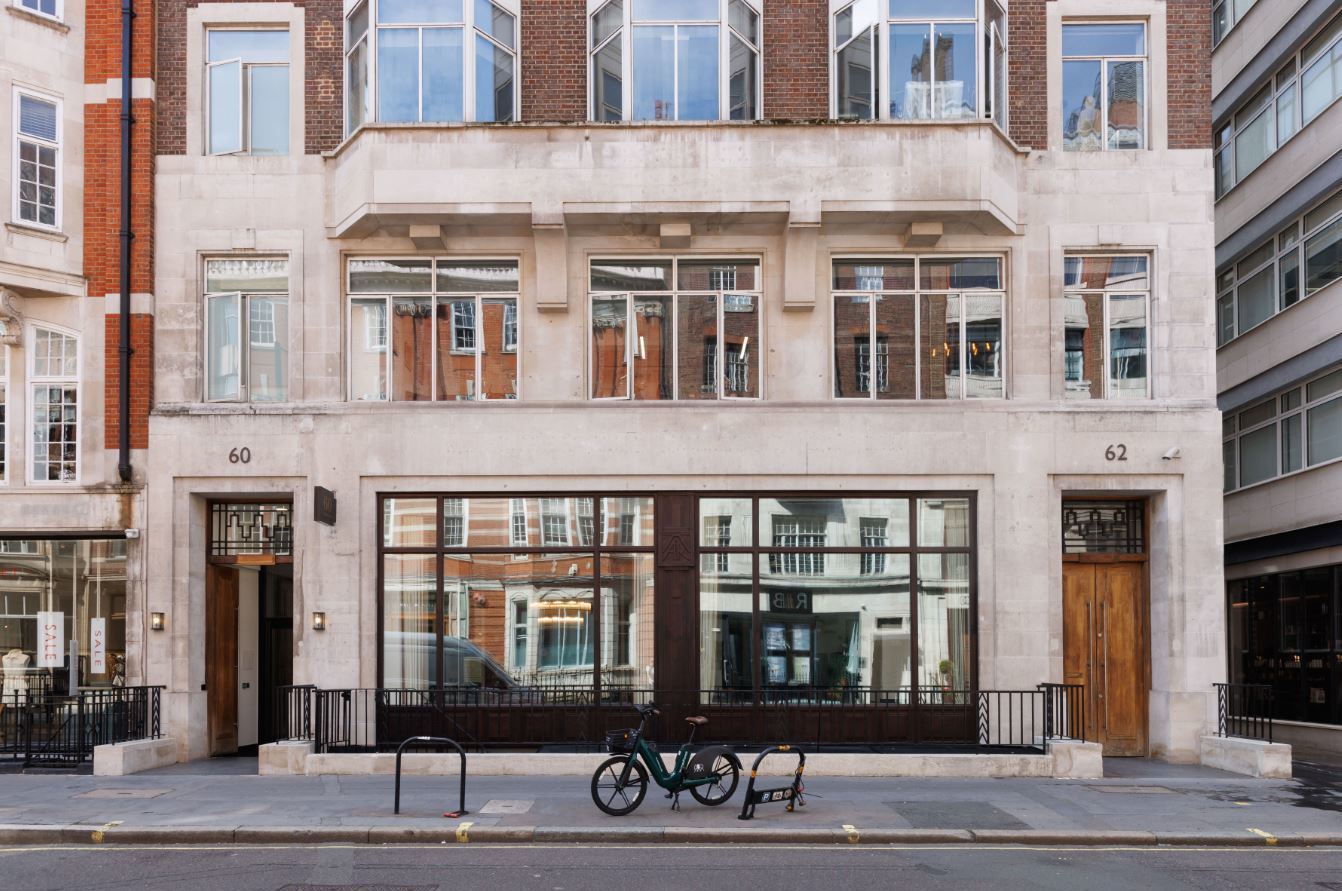
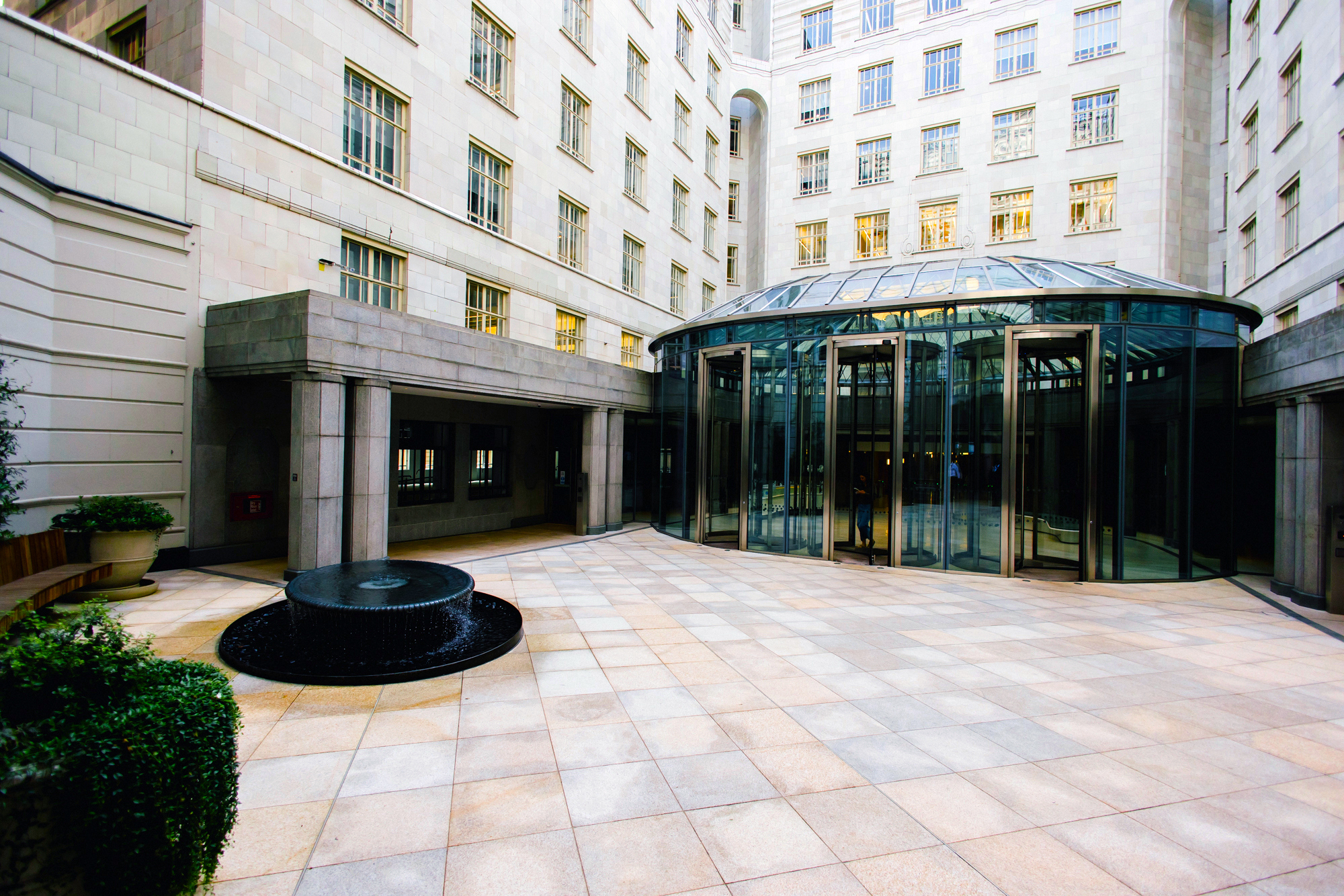
Consider an office on Gower Street in Fitzrovia. It is in the “very heart of London’s exciting West End,” surrounded by a “vast array of hot spot, cafes, bars and world class restaurants.” This environment is electric, creative, and social. It’s the perfect match for a dynamic business that thrives on energy. In contrast, an office on Piccadilly in St James’s is described as a “tranquil central London office base.” This setting caters to businesses that prioritise focus and discretion.
2. Prime Locations Are More Accessible Than You Think
One of the most persistent myths is that a prestigious postcode is financially out of reach. The flexible office model turns this assumption on its head. Examining the market reveals surprisingly accessible price points in the city’s most sought-after districts.
A desk space on Gower Street in Fitzrovia is listed at £480 per calendar month, while an office in a prime St James’s building on Piccadilly is available for £500 per calendar month. For postcodes where a single-person flat can command millions, these figures represent a radical shift in accessibility. The serviced office vs traditional lease debate is often won here: you gain the credibility of a world-class address without the crippling overheads.
Monthly Cost Per Desk (Prime Locations)
3. The Amenity Arms Race: From Pool Tables to Power Showers
In today’s competitive market, office amenities are no longer frivolous perks; they are standard expectations. We see two distinct approaches. The Fitzrovia office leans into social culture with a lounge area and a pool table, fostering downtime and bonding. Meanwhile, the Piccadilly office focuses on practical convenience with shower facilities for cycle commuters and well-equipped kitchens. It’s about removing friction from the employee’s entire day.
4. The Community Dividend: Curated Collaboration
The term “Coworking space London” represents a curated community. The Fitzrovia property explicitly designs its “creative open-plan & stylish lounge” to inspire socialising with “like-minded professionals.” This “community dividend” transforms the office from an isolated silo into an ecosystem of opportunity, where a casual conversation can lead to a new business partnership.
5. Privacy and Focus Haven’t Disappeared
Despite the buzz of open-plan layouts, the need for quiet, focused work remains. The best flexible spaces offer sanctuaries for concentration. The One Eighty, Piccadilly office serves as a prime example, explicitly providing “Private offices” structured for smaller businesses. This hybrid approach ensures that while you benefit from the shared energy of London workspace, you never sacrifice confidentiality.
6. The ‘Serviced’ Secret Weapon: Your On-Demand Support Team
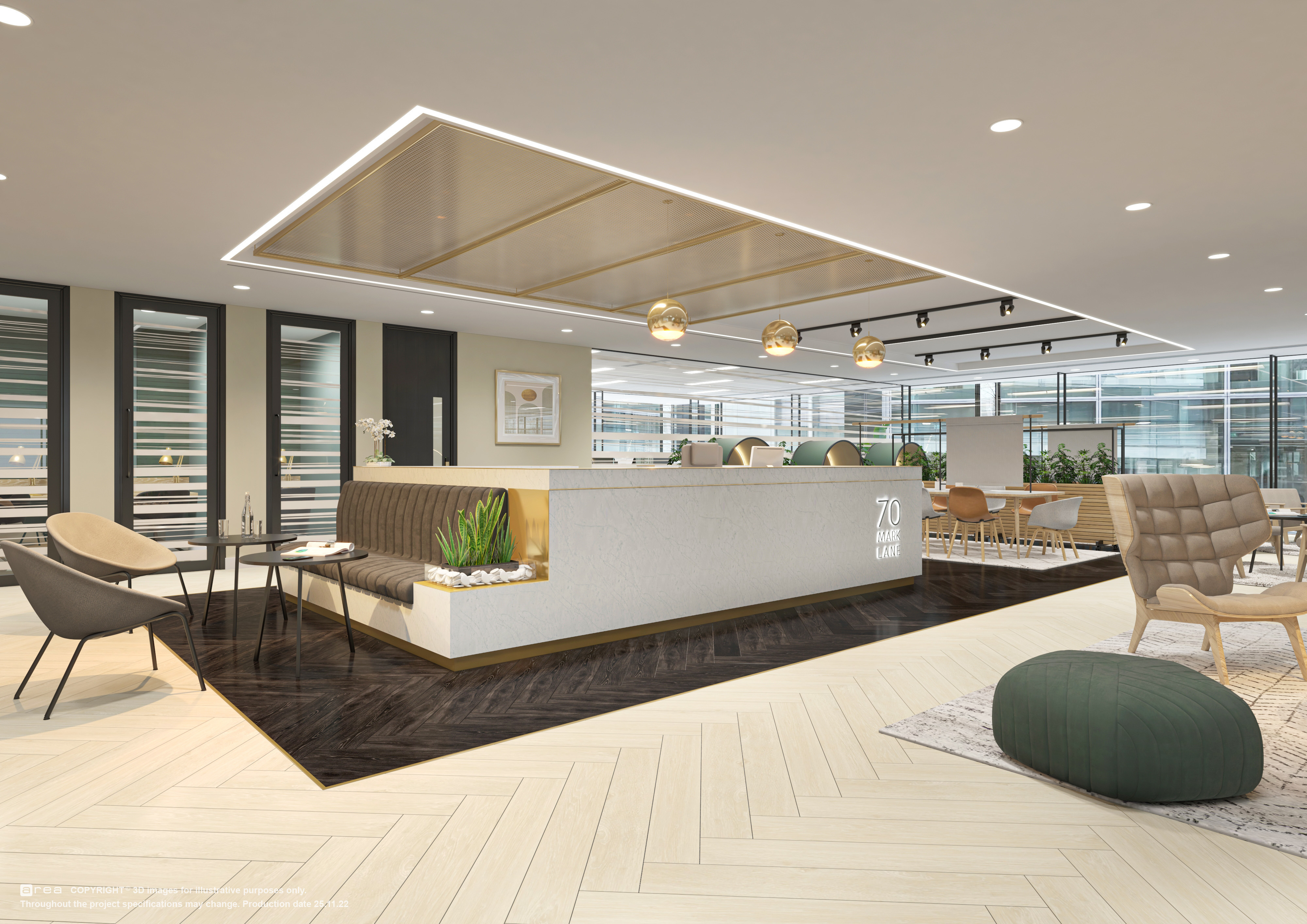
The “serviced” component is a hidden superpower. A key feature in both locations is the presence of a “staffed reception.” The Piccadilly office takes this further, noting the reception team is “on hand to provide administrative support.” For a small business, this on-demand support eliminates the need to hire a full-time office manager, a significant operational advantage.
7. Project a Big-League Image with Professional Meeting Spaces
Owning a high-spec boardroom is a luxury; renting access to one is a strategy. Both properties offer access to dedicated meeting rooms. The Piccadilly location highlights rooms “kitted out with the latest presentation technology.” This allows small companies to host crucial pitches in settings that exude professionalism, levelling the playing field with larger corporations.
8. The Office as a Launchpad for Work-Life Balance
The modern workspace is a launchpad for a healthy lifestyle. The Gower Street office is surrounded by the West End’s social scene, supporting vibrant after-work connections. In contrast, the Piccadilly office’s proximity to Green Park encourages lunchtime strolls and jogging. The best commercial property London providers aren’t just leasing square footage; they are facilitating a balanced life.
Conclusion: The Future of the London Office is Choice
The days of the rigid, long-term lease are over. The modern London office market is now defined by a powerful new currency: choice. Whether you need the collaborative energy of Fitzrovia or the focused tranquility of St James’s, the landscape is no longer about finding a space, but about finding the right ecosystem. This shift puts the power back into the hands of businesses to scale, pivot, and attract talent with unprecedented agility.
Frequently Asked Questions
1. What is included in the monthly cost of a serviced office?
Typically, the monthly fee includes rent, business rates, service charges, utilities (electricity, water, heating), cleaning, reception services, and furniture. Internet and phone lines are often included or available as add-ons.
2. How flexible are the lease terms?
Very flexible. Most providers offer 12-month licenses, but rolling monthly contracts are common. This allows you to scale up (add desks) or downsize with minimal notice compared to a 5-year traditional lease.
3. Can I brand the office as my own?
It depends on the provider. “Managed” offices allow full branding. Standard “Serviced” offices usually allow internal branding (vinyls on glass) but restrict external signage to maintain the building’s identity.
4. Are meeting rooms free to use?
Most memberships include a monthly credit allocation for meeting rooms. Once used, you pay a discounted hourly rate. Some buildings offer unlimited access to phone booths and informal breakout areas.
5. Is the internet secure?
Yes. Providers use enterprise-grade firewalls. You can also request a private VLAN or dedicated bandwidth line for enhanced security, crucial for finance or legal firms.
6. Can I access the office 24/7?
Almost all serviced offices in London offer 24/7 access via keycard or fob, ensuring you aren’t restricted to standard business hours.
7. Do I need to pay a deposit?
Yes, usually between 1 to 2 months’ rent. This is significantly lower than the 6-9 months often required for a traditional commercial lease.
8. Are there hidden costs?
Be sure to check for “setup fees” (for IT/phones), printing costs, and coffee machine usage if not explicitly stated as “all-inclusive.”